From October 2022, the Research Training Group "Digital Platform Ecosystems" will be the University’s pivotal hub for leading-edge, international, and interdisciplinary research and advanced academic qualifications around a central phenomenon of the digital economy.
Digital platform ecosystems are both the basis for fundamentally novel data- and knowledge-intensive business models and a key phenomenon of the digital economy: AirBnB, Amazon, Uber, Google and Microsoft are well-known examples of platforms that form such digital ecosystems. The Research Training Group "Digital Platform Ecosystems (DPE) – Digital Platform-Based Value Creation and its Implications for Data Exchange, Organisation and Socio-Economic Development" seeks to address the research question of "What are the idiosyncratic characteristics of digital platform ecosystems and what are their implications for the transformation and design of economic value-creation architectures as well as for overarching socio-economic and regulatory developments?"
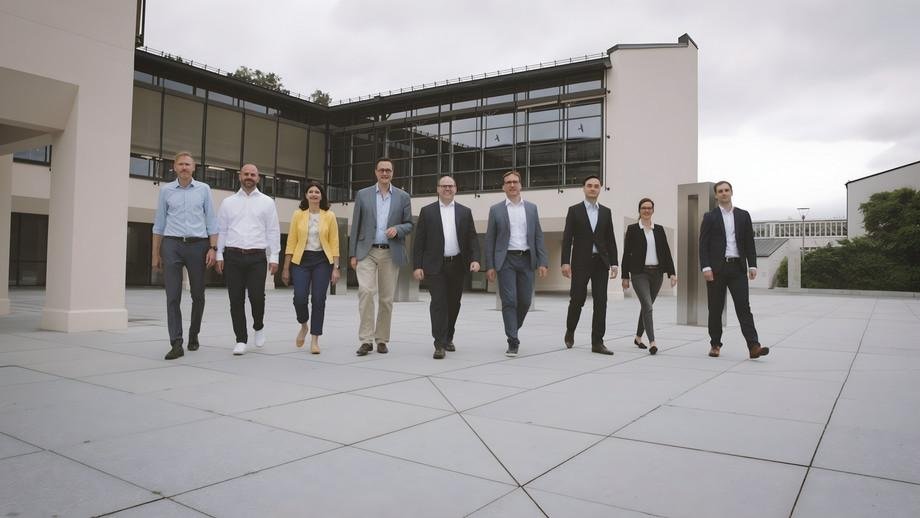
Starting in October 2022, the DFG will fund numerous doctoral and postdoctoral researchers at the University of Passau for four and a half years. They are guided by nine doctoral advisors, including Spokesperson Professor Jan Krämer and Deputy Spokesperson Professor Andreas König, who jointly planned and initiated the RTG over the past three years.
The RTG will tackle digital platforms from a combination of disciplines and different perspectives, including information systems, business administration, economics, and communication science. One important focal point of the research will be on the societal challenges and opportunities that emerge with these platforms – for industrialised countries and developing countries alike. The School of Business, Economics and Information Systems is home to eight of the nine applicants. The Faculty of Arts and Humanities is involved with the Chair of Science Communication.
Overview of all doctoral advisors:
In recent years, researchers at the University of Passau have increasingly turned their attention to developments in the field of digital platforms. This is reflected in the Research Training Group, the world’s largest largest research and qualification program dedicated to interdisciplinary platform research. It has shaped the established research area on ‘Digital Platforms’ at the University of Passau. Researchers from all the faculties are studying the topic from different points of view. These range from the intelligent governance of tech giants via managers' reaction to digital competition to the question of how digital platforms are altering the public discourse.
The German Research Foundation (DFG) is supporting the Research Training Group over a period of 4.5 years with a budget of EUR 5.4 Million. It is the second RTG that the University of Passau has acquired in the DFG's prestigious funding line in the area of so-called "Coordinated Programmes". The DFG Research Training Group 1681/2 "Privacy and Digitalisation" came to an end after two funding periods in 2021.
Research Training Groups offer doctoral researchers a focused research programme and a structured training strategy as a framework in which to complete their doctorate. Their aim is to prepare doctoral researchers for the complexities of the job market in science and academia and simultaneously to encourage early scientific independence. The DFG currently funds a total of 218 RTGs. For an overview, visit the German Research Foundation's website.
More information:
| Principal Investigator(s) at the University | Prof. Dr. Andreas König (Lehrstuhl für Betriebswirtschaftslehre mit Schwerpunkt Strategisches Management, Innovation und Entrepreneurship) Prof. Dr. Jan Krämer (Lehrstuhl für Wirtschaftsinformatik mit Schwerpunkt Internet- und Telekommunikationswirtschaft) |
|---|---|
| Project period | 01.10.2022 - 31.03.2027 |
| Website | https://www.dpe.uni-passau.de/en/ |
| Source of funding |

DFG - Deutsche Forschungsgemeinschaft > DFG - Graduiertenkolleg
|
| Themenfelder | Wirtschaftswissenschaften, Betriebswirtschaftslehre, Volkswirtschaftslehre, Wirtschaftsinformatik (f. Wirtschaftswiss.), Publizistik und Kommunikationswissenschaft |