

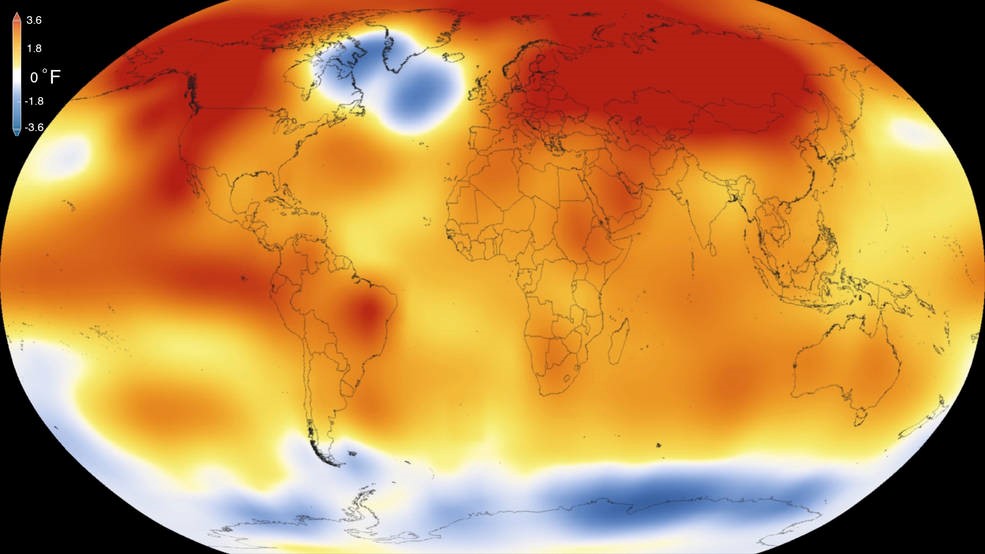
Climate change induced rising temperatures will pose a detrimental threat to decent health in the coming decades. Especially at risk are individuals with chronic diseases, since heat can exacerbate a variety of health conditions. In this article, I examine the heat-morbidity relationship in the context of Indonesia, focusing on chronic, non-communicable diseases, namely diabetes, cardiovascular and respiratory diseases. Using a novel dataset from the Indonesian national health insurance scheme Jaminan Kesehatan Nasional/Badan Penyelenggara Jaminan Sosial (BPJS) and linking it with meteorological data on the daily-district level, I estimate the causal effect of high temperatures on the daily number of primary health care visits. The results show that on a hot day all-cause visits and visits with a diagnosis of diabetes and cardiovascular diseases increase by 8%, 25% and 14%, respectively. These increases are permanent and not offset by visit displacement or ‘harvesting’. Visits related to respiratory diseases seem not to be affected by high temperatures. I use several climate change scenarios to predict the increase in visits and costs by the end of the century, which all forecast a substantial financial burden for the health care system. These results might have relevance for other middle-income countries with similar climatic conditions.
Fritz, M. (2022). Temperature and non-communicable diseases: Evidence from Indonesia’s primary health care system. Health Economics (ahead of print).
doi.org/10.1002/hec.4590

 Share this page
